
NU: Carnival - Bliss
DarkWind Ltd.Role Playing
4.6877.00 Reviews
- Version
- 5.4.0
- Installs
- 1.00M
- Age Rating
- Mature 17+
Screenshots


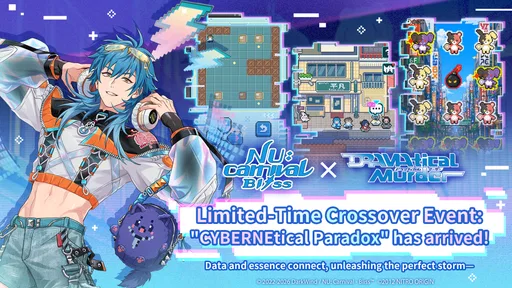
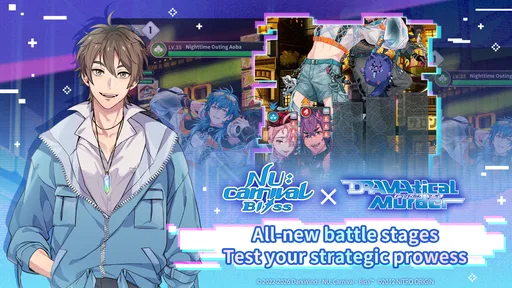

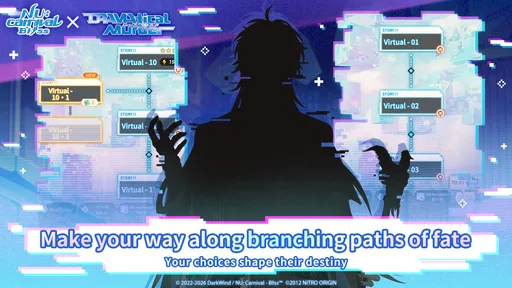
Our Review of NU: Carnival - Bliss
 Analysis by Appyee
I approached NU: Carnival - Bliss as a role-playing game first and a visual experience second, and that order matters. It is built around animated presentation, Japanese voice acting, and a mature BL story, so it is not trying to be a quiet, background game for every audience. My impression is that it works best when you give it focused attention rather than treating it like a quick puzzle app between other tasks.
The game comes from DarkWind Ltd. and is free to start, with optional purchases ranging from $0.99 to $119.99 per item. That combination makes the early decision fairly simple: you can see whether the tone, artwork, and pacing suit you before spending anything, but you should enter with a clear personal limit if you are sensitive to in-app offers. It is rated Mature 17+, which is an important part of deciding whether it belongs on your device at all.
How the animated role-playing format feels in everyday use
What immediately separates this title from a conventional mobile RPG is its emphasis on character presentation. The Japanese voices and animated scenes give conversations more presence than plain text boxes, while the BL focus makes relationships and atmosphere central to the experience. I found that this changes how I played: instead of rushing through every exchange to reach the next action, I paid closer attention to the cast and the way scenes were staged.
That presentation is also the main reason to choose this game over a generic role-playing alternative. If you mainly want rapid battles, a large map, or constant mechanical variety, a traditional action RPG may be a better match. Here, the appeal is more focused. The story, characters, mature tone, and illustrated scenes are the reason to stay, while the role-playing structure gives you a reason to return and continue.
The game has attracted a substantial audience, with over a million installs and a 4.6 average from around 18 thousand ratings. Those figures suggest that the combination of visual novel-style storytelling and role-playing progression has found a clear audience, although popularity does not remove the need to check whether its mature themes are appropriate for your situation.
What I would check before installing
The first practical question is not whether the game is free. It is whether you enjoy mature BL storytelling. Someone looking for an all-ages fantasy adventure, a child-friendly collection game, or a purely competitive experience should skip this one. The age rating is not a minor label here; it sets expectations for the tone and audience.
I would also think about where you plan to play. This is the kind of title I would open with headphones during a quiet break, not necessarily something I would leave running in a public place. The voice work and animated scenes are part of its identity, but they can make the game less discreet than a text-heavy RPG. If you share a room or often play around family members, that is a real consideration.
On the other hand, it suits players who like reading character-driven scenes, following romantic tension, and checking in regularly with a cast they have started to recognize. It can also appeal to mobile players who want something more intimate than a large open-world game. The narrower focus is a strength when it matches your taste, not a weakness that needs to be hidden.
Speed expectations on a mobile device
I would not judge this game by the same speed standard as a minimalist arcade title. Animated artwork, voiced dialogue, and story transitions naturally make the experience feel more deliberate. The important question is whether those moments feel like meaningful presentation or unnecessary waiting. In my view, the slower rhythm is acceptable when I am interested in the scene, but it becomes more noticeable when I am replaying familiar sections or trying to move quickly through routine progress.
For a normal session, I would expect the game to feel most comfortable when the device has enough free space and other demanding apps are not competing for attention. That is not a claim about a particular frame rate or loading time; it is simply the sensible way to approach a visually focused mobile game. If your phone already struggles with animated applications, you should keep expectations modest rather than assuming the same smoothness you get from a basic text app.
The current version is 5.4.0, and the minimum operating-system requirement is Android 8.0. That gives the game a reasonably broad starting point for Android users, but compatibility on paper is not the same as an equally comfortable experience on every device. Older hardware may open the game while still feeling less responsive during its richest scenes.
Where heavier use is most likely to matter
The demanding moments are likely to be the ones that combine animated visuals, voice playback, and longer story sequences. Those are also the moments when I would avoid switching repeatedly between the game and other memory-heavy apps. A phone that handles short sessions well may feel less comfortable after a longer uninterrupted play period, especially if it is already warm or low on available storage.
My practical routine would be to close unused apps before a longer session, keep the device charged, and avoid judging the game during the first few seconds after launching. I would also let an update finish properly before starting an important story session. These are small habits, but they reduce the chance of confusing temporary device pressure with a problem in the game itself.
Battery use is another trade-off worth considering. A voiced, animated RPG will generally ask more from a phone than a simple turn-based text adventure. I would play it near a charger if I planned to spend a long evening with the story. That does not make the game unsuitable for mobile use; it simply means the presentation has a resource cost, and players who prioritize maximum battery life may prefer a less elaborate alternative.
There is also a difference between a short check-in and a heavy session. A brief visit to read a scene or handle routine progress is easier to fit into a busy day. A longer session gives the artwork and voices room to work, but it is more likely to expose heat, battery, or multitasking limits. I think the game is best approached in those two modes instead of expecting every visit to feel identical.
Reliability, recovery, and the value of a cautious routine
For me, reliability is not only about whether an app opens. It is also about whether I can return to it without feeling that a brief interruption has ruined the session. This type of game benefits from a patient routine: allow transitions to complete, avoid force-closing it while a scene is changing, and give the application a moment to recover after switching away.
If the game ever feels sluggish after extended use, my first response would be to leave the current screen normally, close it, and reopen it rather than repeatedly tapping through the same action. That is a sensible recovery step for any animated mobile title. I would not treat a single slow moment as evidence of a permanent issue, particularly if the phone is hot or several other apps are open.
Network conditions can also affect the overall feeling of reliability in any connected mobile game, so I would prefer a stable Wi-Fi connection for updates and longer sessions. I would not begin an important story segment while moving between weak signals. Even when the gameplay itself feels manageable, interruptions are more frustrating when they occur during voiced or animated content.
The game’s audience size and strong average rating make it easier to see that it is not an obscure experiment with no established interest. Still, those figures are not a guarantee that every device or every session will behave identically. My advice is to treat the first few plays as a compatibility check: notice how your phone handles the visuals, whether the interface feels responsive, and whether the mature storytelling is genuinely holding your attention.
Device constraints that should shape your choice
The Android 8.0 minimum is useful, but the age of an operating system does not tell the whole story. Storage, memory, battery condition, and the general health of the phone can matter just as much to the experience. A newer operating system on an entry-level device may still feel less comfortable than an older system on stronger hardware.
I would be especially cautious on a phone with limited free storage. Animated art and voice assets can make a game feel more demanding than its store category suggests, and a nearly full device often behaves poorly when installing updates or managing temporary files. Keeping a reasonable amount of space available is one of the most practical ways to avoid unnecessary friction.
Screen size affects the experience too. A larger display makes character art and dialogue easier to appreciate, while a small screen may make longer reading sessions tiring. That does not mean a compact phone cannot run the game, only that the visual and story-focused design benefits from a display you are comfortable looking at for extended periods.
Headphones are not essential, but they make the Japanese voice work easier to appreciate and keep the audio from becoming a distraction to people nearby. I would also check the device’s sound level before starting a scene, because the game’s presentation is more enjoyable when the voices are clear rather than competing with background noise.
Players using iOS should check the current compatibility details on the relevant store before downloading, while Android users should remember that meeting the operating-system requirement does not promise identical performance across all hardware. In either case, I would avoid making a purchase until I had confirmed that the game runs comfortably and that its mature content is right for me.
Spending, progression, and how I would manage it
The free entry point is helpful because the game’s appeal depends heavily on personal taste. I would use the opening experience to answer three questions: Do I like the BL tone? Do the voices and animation improve the scenes for me? And do I enjoy returning to this particular role-playing format? If the answer to any of those is no, spending more will not solve the underlying mismatch.
The optional purchases are broad enough that impulse control matters. My approach would be to decide in advance whether I am only sampling the game or whether I am willing to support it occasionally. I would never make a purchase simply because a scene or progression step creates urgency. Taking a break before buying is especially useful in a character-focused game, where emotional investment can make an offer feel more necessary than it really is.
This is one area where a conventional premium RPG may suit some players better. A paid game with a clearly defined upfront cost can feel easier to budget, while a free-to-start title offers a lower barrier to trying it but requires more attention during continued play. Neither model is automatically better. The right choice depends on whether you value immediate access or predictable spending.
Who will enjoy it, and who should choose something else
I would recommend this game to adults who want a mobile RPG built around animated BL storytelling, Japanese voices, and a cast-driven atmosphere. It is a good fit for someone who enjoys reading and watching scenes as much as making progress through a game structure. It is also suitable for players who prefer focused sessions over a huge world that demands constant exploration.
I would not recommend it to someone searching for a family-friendly title, a fast competitive match, or a game that can be understood entirely through quick taps. The Mature 17+ rating should be treated as a firm audience boundary. Players who dislike voiced dialogue, romantic storytelling, or optional purchases may also find the central appeal less convincing than fans of the genre do.
Compared with a standard gacha-style RPG, its strongest distinction is the way the character and story presentation remain in the foreground. Compared with a pure visual novel, its role-playing identity gives the experience more structure and a stronger reason to return. Compared with an action RPG, it is less about reflexes and spectacle in motion and more about the relationship between scenes, characters, and progression.
My performance verdict after weighing the trade-offs
My overall view is that NU: Carnival - Bliss is a specialized mobile role-playing game rather than an all-purpose recommendation. Its animated art, Japanese voice work, and mature BL focus give it a clear personality, and the free starting point makes it reasonable to test. The trade-off is that the same presentation can demand more from a device and more attention from the player than a lightweight RPG.
I would install it on a compatible phone with comfortable storage, use a stable connection for longer sessions, and begin with short play periods. That approach lets me judge responsiveness, battery impact, and personal interest without committing money too early. If the first sessions feel smooth and the story style clicks, the game has enough identity to stand apart from more interchangeable mobile RPGs.
My final recommendation is therefore selective but positive. Choose it for the mature character-driven experience, not merely because it is free. If you want animated BL storytelling and are comfortable managing optional purchases, it is worth trying. If you want a quick, discreet, low-resource, all-ages game, another category will serve you better.
For the right player, the appeal is easy to understand: this is a game that wants its characters and scenes to be noticed. I would keep expectations realistic about device demands, play it where its mature presentation feels appropriate, and treat spending as a deliberate choice. With those conditions in place, the focused design becomes its biggest strength rather than a limitation.
Verdict
Strengths of NU: Carnival - Bliss
- Strong character designs with polished artwork and expressive animations.
- Multiple team combinations make battles feel strategic and rewarding.
- Regular events provide extra stories, rewards, and limited-time content.
- Romance-focused scenes add personality and emotional depth to the cast.
- Progression systems give long-term players plenty to upgrade and customize.
Limitations of NU: Carnival - Bliss
- Some mature scenes may not be suitable for younger players.
- Gacha mechanics can make obtaining favorite characters unpredictable.
- Energy limits may interrupt longer play sessions.
- Later battles can require significant grinding or resource planning.
- The amount of story text may feel overwhelming for players seeking quick gameplay.
Similar Picks in This Category
View All
Hair Dye
CrazyLabs LTD4.4

Monster High™ Beauty Salon
CrazyLabs LTD4.5

Bus Simulator - Bus Games 3D
Jima Apps4.4

Flight Pilot: 3D Simulator
Wildlife Studios4.1


Super Stylist Fashion Makeover
CrazyLabs LTD4.4
Frequently Asked Questions
What is NU: Carnival - Bliss?
NU: Carnival - Bliss is a story-driven mobile role-playing game with visual-novel elements, collectible characters, turn-based battles, and relationship-focused content. You follow an original fantasy storyline, recruit different companions, and unlock additional scenes as your team develops. The game is aimed at mature audiences because some story themes, character interactions, and optional content may not be suitable for younger players.
Is NU: Carnival - Bliss free to download and play?
The game can generally be downloaded without an upfront purchase, but it may include optional in-app purchases. These purchases can provide premium currency, summons, resources, or other conveniences, while progress is still possible through regular play depending on the current version and events. Before installing, check the store listing for the latest pricing, supported payment methods, and any regional availability restrictions.
Does NU: Carnival - Bliss require an internet connection?
Yes, you should expect to need a stable internet connection for most or all of the experience. Online access is commonly required for downloading game data, logging into an account, synchronizing progress, receiving updates, participating in events, and using summon or server-based features. Because of this, the game may not be suitable for uninterrupted offline play, especially while traveling or using limited mobile data.
Is NU: Carnival - Bliss suitable for children?
NU: Carnival - Bliss is intended for a mature audience rather than young children. Its fantasy romance presentation, suggestive character designs, relationship scenes, and potentially adult-oriented themes may exceed the content level many families consider appropriate. Age ratings and available scenes can differ by platform or region, so parents and players should review the official rating, privacy information, and content notices before downloading or allowing access.
What devices are compatible with NU: Carnival - Bliss?
Compatibility depends on the edition, operating system, region, and the requirements shown on the official download page. In addition to the minimum Android or iOS version, you should reserve sufficient free storage for the initial installation and later data updates. A newer device is recommended for smoother loading and fewer performance issues, while older phones may experience crashes, long loading times, or limited graphical performance.
Play our best games!


